
The challenge isn’t a lack of expertise.
It’s that expertise isn’t always visible or verifiable to people who don’t already know you.
In the past, your reputation was largely shaped by direct relationships, referrals, and word of mouth. Today, there’s another layer involved: your online identity. Before reaching out, potential clients, partners, employers, and decision-makers often research you online. Increasingly, AI tools help them interpret what they find.
That means opportunities are no longer influenced solely by what you say about yourself. They’re influenced by what can be verified.
Authority Is Not the Same as Audience
Many professionals assume they need a larger audience to create more opportunities.
They focus on followers, engagement, and content volume, hoping visibility will eventually translate into business growth.
But authority and audience are not the same thing.
An audience measures attention.
Authority measures trust.
You can have thousands of followers and still struggle to attract ideal clients. At the same time, many highly successful consultants, advisors, executives, and subject matter experts have relatively small audiences but consistently attract valuable opportunities because they are clearly recognized for a specific expertise.
The goal isn’t to be known by everyone.
The goal is to be known for something by the right people.
Why AI Is Becoming a Trust Layer
When someone receives your name through a referral, they rarely stop there.
They search.
They review your LinkedIn profile, website, interviews, articles, speaking engagements, and any other information they can find.
Increasingly, AI systems are helping organize and interpret that information.
As a result, your online presence is no longer just a digital business card. It has become part of how your credibility is evaluated.
This creates a new challenge for experts whose careers were built primarily through relationships and referrals.
If your expertise is scattered across multiple platforms, poorly defined, or inconsistently communicated, AI may struggle to determine exactly what you are known for.
When confidence is low, visibility often decreases.
You become harder to recommend, harder to surface, and harder to discover. Not because you’re unqualified, but because your expertise is difficult to verify.
The Importance of Authority Signals
Authority signals are the pieces of evidence that help people and AI systems understand and validate your expertise.
These signals can include:
Published articles and thought leadership
Podcast appearances and interviews
Speaking engagements
Professional credentials and certifications
Media mentions
Client success stories and case studies
Consistent messaging across your online profiles
Each signal helps reinforce the same answer to an important question:
What is this person known for?
The clearer that answer becomes, the easier it is for others to trust your expertise.
The Cost of Being Unclear
Many experts assume their reputation speaks for itself.
Within their existing network, it often does.
Outside that network, however, people only have access to the information they can find online.
If that information is incomplete, inconsistent, or difficult to interpret, uncertainty creeps in.
And uncertainty creates hesitation.
Potential clients delay reaching out. Referral opportunities lose momentum. Decision-makers move toward someone whose expertise appears easier to understand and validate.
In many cases, the issue isn’t capability.
It’s clarity.
Build a Reputation That Can Be Verified
The professionals who attract the best opportunities today are not necessarily the loudest or the most visible.
They’re the ones whose expertise is easy to understand, easy to verify, and consistently reflected across their digital presence.
As AI becomes a larger part of how information is discovered and evaluated, authority signals matter more than ever.
The question is no longer just whether you’re an expert.
It’s whether the people and the systems evaluating your expertise can confidently recognize it.
When they can, the right opportunities become much easier to find.
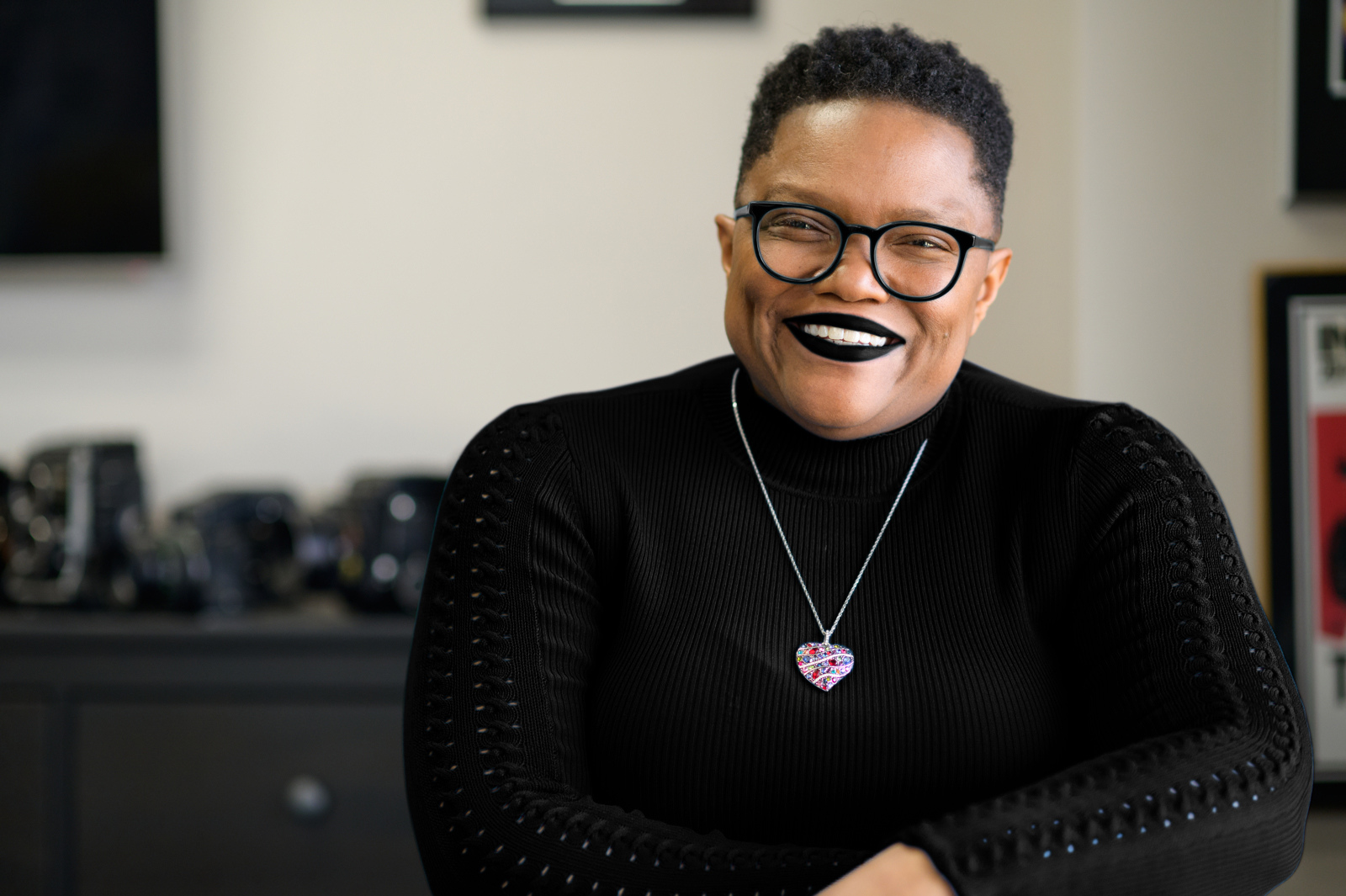
Until next time,

Tia A. Williams, Principal Systems-Thinking Architect
Ex VP A Cloud Guru (Acquired by Pluralsight for $2B) / SVP CFI
I have 28 years of experience in datacenter, cloud infrastructure, EdTech SaaS, and executive leadership. Author of Born a Statistic. Built to Be a Leader. Founder of Solo Business Advisor and The Leadership Equation. I build systems that make expertise visible, trusted, and impossible to ignore.